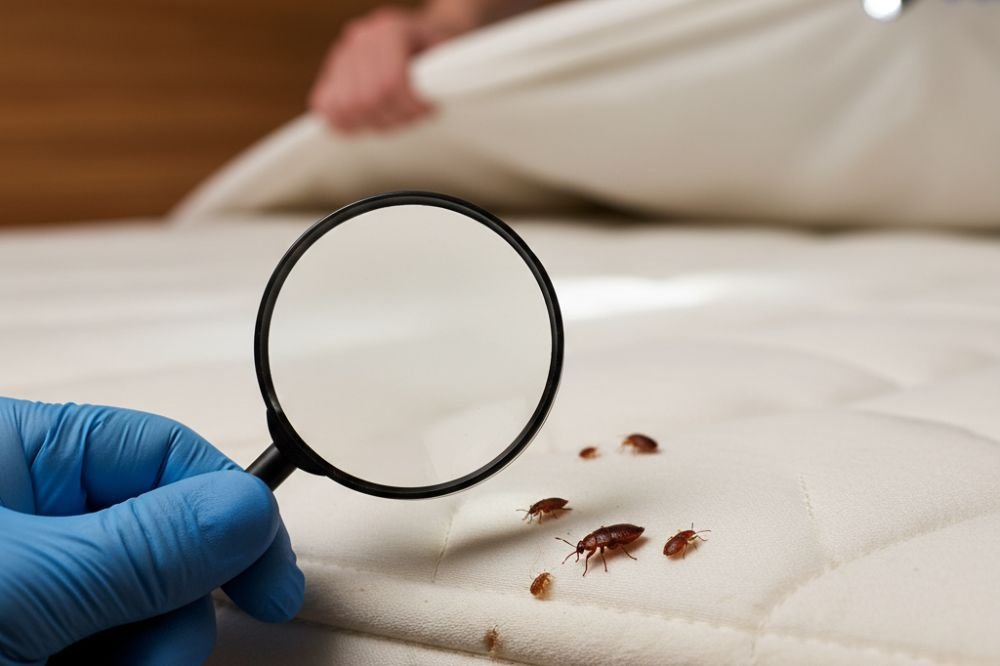


Few things are as unsettling as discovering that your home or business has been invaded by bed bugs. These tiny, blood-sucking pests can quickly turn a peaceful night’s sleep into a nightmare. What’s worse, they spread fast and can be difficult to remove without professional help.
Knowing how to spot bed bugs early can save you from stress, discomfort, and costly treatments later. Whether you’re a homeowner, renter, or manage commercial spaces, early detection and swift action are key to keeping these pests at bay.
Understanding Bed Bugs
What Are Bed Bugs?
Bed bugs are small, flat, reddish-brown insects that feed on human blood, usually at night. They’re about the size of an apple seed and can hide in the tiniest cracks — behind headboards, inside mattresses, furniture seams, and even electrical outlets.
Why Bed Bugs Are a Problem
Although bed bugs don’t transmit diseases, they can cause:
- Red, itchy welts on the skin
- Allergic reactions
- Loss of sleep and anxiety
- Damaged furniture and reputation (especially for hotels and hostels)
Early Signs of Bed Bug Infestation
Detecting bed bugs early makes all the difference. Here are the key warning signs to watch out for:
1. Unexplained Bites
If you wake up with small, red, itchy bites in a line or cluster, bed bugs might be the culprits. They often bite exposed skin areas like arms, neck, and legs while you sleep.
2. Blood Stains on Sheets
After feeding, bed bugs may leave tiny blood spots or smears on your sheets and pillowcases. These stains often appear rust-coloured.
3. Dark Spots and Droppings
Look for small, dark brown or black specks on mattresses, bed frames, or walls — these are bed bug droppings. They may look like pepper flakes or ink dots.
4. Eggs and Shell Casings
Bed bug eggs are tiny, white, and oval-shaped. You might also spot their shed skins or shell casings near hiding areas as they grow.
5. A Musty Odour
A strong, sweet, musty smell in your bedroom could indicate a serious infestation. This odour comes from bed bug scent glands.
Common Hiding Spots
Bed bugs are experts at hiding, which makes inspection tricky. Some of their favourite spots include:
- Mattress seams and bed frames
- Headboards and wall cracks
- Upholstered furniture and cushions
- Curtains and carpets
- Behind picture frames or mirrors
- Electrical sockets and switch plates
- Luggage, backpacks, and clothing
Tip: Use a flashlight and magnifying glass when checking these areas.
How to Prevent Bed Bugs
Preventing bed bugs is much easier than getting rid of them. Here’s how you can reduce your risk:
1. Inspect Second-hand Furniture
Before bringing home used furniture or mattresses, check them carefully for bed bugs or eggs.
2. Be Cautious When Travelling
- Check hotel mattresses and bed frames before unpacking.
- Keep luggage off the floor and away from the bed.
- Wash and dry clothes on high heat immediately after returning home.
3. Maintain Cleanliness
Regular cleaning, vacuuming, and decluttering can help remove hiding spots. Pay extra attention to beds, sofas, and carpets.
4. Seal Cracks and Crevices
Seal gaps in walls, skirting boards, and furniture joints to limit hiding areas.
5. Use Mattress Encasements
High-quality mattress protectors can trap existing bed bugs and prevent new ones from settling in.
What to Do If You Suspect an Infestation
If you spot any signs of bed bugs, act quickly:
- Confirm the Infestation – Collect a sample or take clear photos of the suspected bugs.
- Avoid DIY Sprays – Most home remedies only drive bed bugs deeper into hiding.
- Call Professional Help – Expert pest controllers use safe, effective methods to remove bed bugs completely.
This is where Commercial Pest Control services can make a huge difference, especially for hospitality and accommodation businesses.
Bed Bugs in Commercial Settings
Bed bugs aren’t just a household problem — they can be disastrous for businesses too. They spread easily in places where people sleep, sit, or travel frequently.
Here are some commercial places where pest infestations are common, including bed bugs:
- State government facilities
- Hotels and motels
- Hospitals and child care schools
- Food manufacturing units
- Offices and airports
- Shopping centres and restaurants
- Factories and warehouses
- Logistics and transport hubs
- Nursing homes and retail shops
- Gyms and theatres
- Medical centres, pubs and cafés
- Schools and restaurants
Bed bugs in these environments can quickly damage reputations and affect customer confidence. Engaging a professional pest management team ensures discreet and thorough treatment.
Professional Bed Bug Control
A professional pest controller will typically:
- Inspect the entire premises, including hidden areas.
- Use safe heat or chemical treatments to eliminate bed bugs.
- Offer follow-up inspections to ensure the infestation doesn’t return.
- Provide preventive advice to reduce future risks.
In areas like Victoria, businesses and homeowners often combine this with Termite Control Melbourne and general pest prevention plans to maintain hygienic, pest-free environments.
Why Early Action Matters
The longer you wait, the worse a bed bug infestation becomes. Within weeks, a few bugs can turn into hundreds, spreading through bedrooms, lounges, or even neighbouring units.
Early detection not only saves money but also prevents emotional stress and physical discomfort.
Conclusion
Spotting bed bugs before it’s too late requires vigilance, regular inspection, and awareness of the signs. From checking for bite marks and droppings to inspecting your mattress and furniture, these small efforts can save you major trouble later.
If you suspect a bed bug issue, don’t wait for it to worsen — seek professional pest control advice immediately to ensure complete and safe eradication.
For reliable, effective pest treatment and prevention services, including Commercial Pest Control and Termite Control Melbourne, contact RF Pest Management. Their friendly team offers tailored pest solutions for homes and commercial spaces, ensuring your property stays safe, clean, and pest-free.