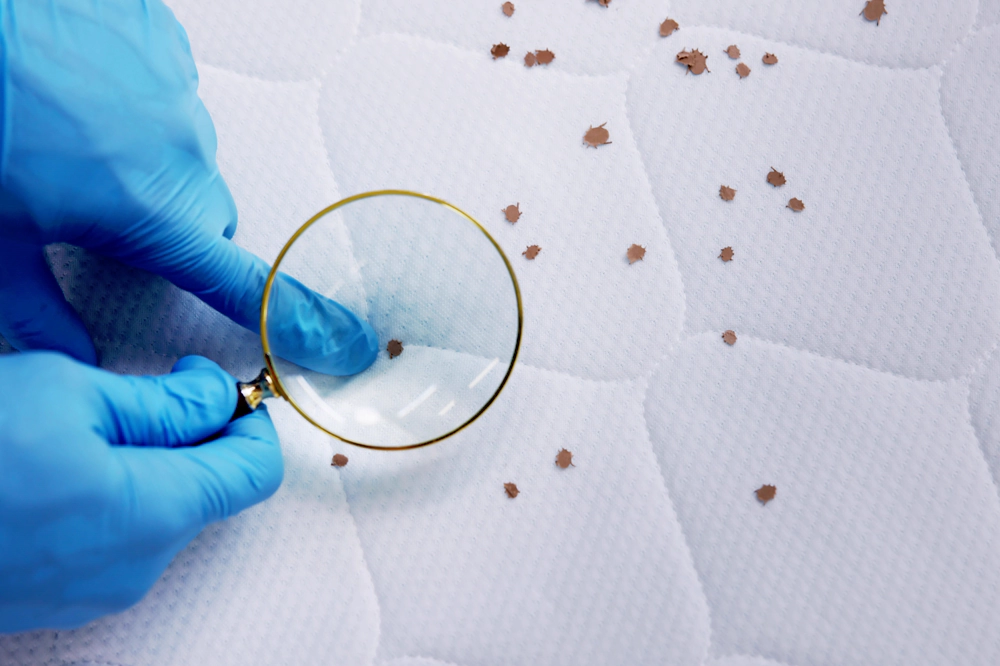


Bed bugs are frustrating because they hide easily, spread quickly, and disturb sleep. Most people first notice itchy bites on their skin. Some also find tiny blood spots on bedsheets or dark marks around mattress edges. Once bed bugs enter a property, they usually continue spreading unless someone treats the problem properly.
These insects feed on human blood, mostly during the night. During the day, they hide inside mattresses, bed frames, furniture, curtains, carpets, and wall cracks. Even very clean homes can get bed bugs because the insects travel through luggage, clothing, second hand furniture, and public transport.
The good news is that proper treatment and regular follow up can remove bed bugs. Fast action also helps stop the infestation from growing.
Signs You Have Bed Bugs
Before starting treatment, make sure you identify that bed bugs are causing the problem. Many people mistake them for mosquito or flea bites.
Common signs include:
- Red itchy bites that appear in lines or groups
- Tiny blood marks on sheets or pillowcases
- Dark brown or black spots on mattresses
- Shed skins near bed corners
- A strong musty smell in heavily infested rooms
- Live bed bugs hiding in furniture seams
Adult bed bugs look small, flat, and reddish brown. Young bed bugs appear lighter in colour and can be harder to notice.
Where Bed Bugs Usually Hide
Bed bugs stay close to sleeping areas because they feed at night. They fit into tiny spaces and avoid bright areas.
Check these places carefully:
- Mattress seams and tags
- Bed frames and headboards
- Cracks in walls
- Behind picture frames
- Inside bedside tables
- Under carpets
- Sofa cushions
- Curtains and fabric folds
- Electrical outlets
A torch and a thin card can help you inspect narrow spaces more closely.
Wash and Heat Treat Fabrics
Heat kills bed bugs and their eggs very effectively.
Remove bedding, blankets, pillow covers, curtains, and washable clothing from affected rooms. Place everything inside sealed plastic bags before moving the items through the house. This step helps stop the bugs from spreading into other rooms.
Wash fabrics in hot water above 60°C when possible. Dry them on the highest heat setting for at least 30 minutes. High temperatures kill live bugs and eggs.
Place non washable items in a dryer if the material can handle heat. Some people leave sealed bags outside in strong sunlight during very hot weather, but professional heat treatment usually works better.
Vacuum the Entire Room
Vacuuming removes many live bugs and eggs from surfaces.
Focus on these areas:
- Mattress edges
- Bed frames
- Carpet edges
- Furniture joints
- Skirting boards
- Cracks near the bed
Empty the vacuum immediately after cleaning. Seal the waste inside a plastic bag and throw it outside. Clean the vacuum container afterward.
Vacuuming alone will not remove the infestation completely, but it helps reduce the number of bugs before stronger treatment begins.
Reduce Clutter Around the Bed
Clutter creates more hiding spots for bed bugs. Piles of clothes, books, boxes, and stored items make treatment more difficult.
Keep the room tidy and create open space around the bed. Move the bed away from walls if possible. Avoid storing items underneath the bed during treatment.
You do not need to throw away all furniture. Most furniture can stay if you treat it properly.
Use Bed Bug Sprays Carefully
Many stores sell bed bug sprays and insecticides. Some products help control infestations during the early stages.
Always follow the instructions on the label carefully. Apply sprays to cracks, corners, bed frames, and other hiding areas. Avoid spraying bedding or clothing unless the product specifically allows it.
Do not depend only on supermarket sprays for larger infestations. Over time, many bed bugs have developed resistance to common chemicals.
Using too much spray can also force the bugs deeper into walls and furniture.
Try Mattress Encasements
Mattress encasements help trap bed bugs inside and stop new bugs from entering. These zippered covers fully seal the mattress and box spring.
Once trapped inside, the bugs eventually die because they cannot feed.
Choose encasements made specifically for bed bugs. Keep them sealed for several months for better results.
Steam Treatment Helps
Steam treatment works well because high heat kills bed bugs instantly.
Use a steam cleaner on:
- Mattress seams
- Upholstered furniture
- Bed frames
- Carpet edges
- Curtains
Move the steam cleaner slowly so the heat reaches deep into surfaces. Fast movements may miss hidden eggs.
Avoid leaving surfaces too wet because excess moisture can create mould problems.
Know When DIY Methods Are Not Enough
Small infestations sometimes improve with home treatment, but larger infestations often need professional help.
Contact a pest control expert if:
- Bed bugs spread into several rooms
- Bites continue after treatment
- You keep finding live bugs
- The infestation keeps returning
- You live in apartments or shared housing
Professionals use stronger treatment methods and know where bed bugs usually hide. Many pest control companies combine chemical treatment, steam, and heat methods for better results.
Prevent Bed Bugs from Returning
Prevention matters just as much as treatment.
Here are some simple ways to reduce the risk:
- Inspect hotel beds while travelling
- Wash travel clothes after trips
- Avoid bringing used mattresses home
- Check second hand furniture carefully
- Vacuum bedrooms regularly
- Reduce clutter near sleeping areas
If you live in an apartment, report infestations quickly because bed bugs can move between units through walls and pipes.
Common Mistakes People Make
Many people accidentally make the infestation worse.
Common mistakes include:
- Ignoring the problem for too long
- Sleeping in another room
- Using excessive chemicals
- Throwing furniture outside without sealing it
- Skipping follow up treatment
- Forgetting nearby rooms
Bed bugs often spread when people move around the house trying to avoid bites. Staying organised and treating affected areas properly usually works better.
Final Thoughts
Getting rid of bed bugs takes patience and regular effort. These pests hide extremely well and survive inside very small spaces, which makes complete removal difficult without proper treatment. Early action gives you a much better chance of controlling the infestation before it spreads across the property.
At RF Pest Management, we understand how stressful a bed bug infestation can become. We have helped many homeowners handle bed bugs safely and effectively with treatment methods that suit different property types and infestation levels. Our team focuses on removing bed bugs properly while helping lower the chances of them returning. If you are dealing with ongoing bed bug problems, we are ready to help you restore comfort and peace of mind in your home.