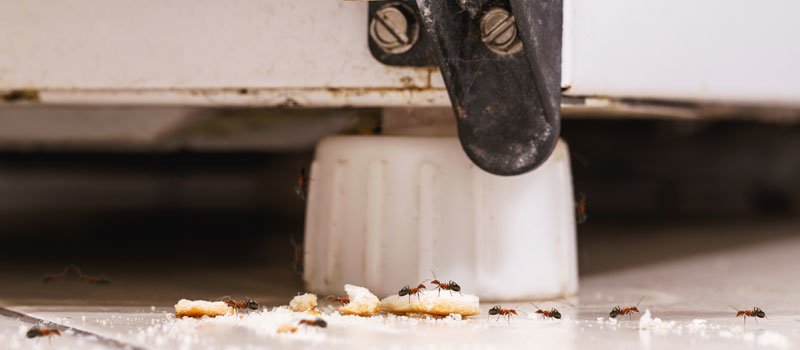


Ants may look harmless, but they can quickly become a problem when they enter your home or business. From finding them around kitchen benches to spotting long trails near windows and doors, an ant infestation can be frustrating to manage. In Melbourne, changes in weather, food availability and access to shelter can encourage ants to move indoors.
The good news is that you can reduce ant activity with the right cleaning habits, preventive measures and pest control methods. Understanding why ants enter your property and where they build their nests can help you tackle the problem more effectively.
Why Do Ants Enter Melbourne Homes?
Ants usually enter homes in search of three basic things: food, water and shelter. Even a few crumbs on the floor or a small spill on the kitchen bench can attract them. Once ants find a reliable food source, they leave scent trails that guide other ants to the same spot.
Melbourne’s changing weather can also affect ant activity. During warmer months, ants often become more active while searching for food. Heavy rain can disturb outdoor nests and encourage some ants to move towards drier spaces. Properties with gardens, overhanging branches, cracks in walls or gaps around windows may give ants easy access indoors.
Some ants build nests in soil, lawns and garden beds, while others settle beneath paving, inside wall cavities or around building foundations. Identifying where they come from is an important step towards controlling them.
Common Signs of an Ant Infestation
Recognising an ant problem early can make it easier to manage. Here are some common signs to watch for.
- Visible ant trails: Lines of ants moving along walls, floors, kitchen benches or window frames often indicate a nearby food source or nest.
- Ants around food: Finding ants in cupboards, pantries, bins or pet food bowls suggests that they have discovered an accessible food supply.
- Nests around the property: Small soil mounds, disturbed soil near paving or ant activity around garden beds may indicate an outdoor colony.
- Repeated indoor activity: If ants keep returning after you clean the area, a nearby nest or an easy entry point may be causing the problem.
Pay attention to where the ants appear and when they become active. These details can help you identify possible entry points and decide whether you need professional pest control.
Practical Ways to Get Rid of Ants
1. Keep Your Home Clean
Good hygiene is one of the simplest ways to discourage ants. Wipe kitchen benches after preparing food, sweep floors regularly and clean spills as soon as they happen. Store sugar, biscuits, cereals and other food items in airtight containers.
Avoid leaving dirty dishes in the sink overnight. Empty rubbish bins regularly and make sure they have secure lids. If you have pets, remove uneaten food instead of leaving it out for long periods.
These habits help remove the food sources that attract ants and make your home less appealing to them.
2. Seal Entry Points
Ants can enter through surprisingly small openings. Inspect window frames, doorways, skirting boards and areas where pipes enter your home. Seal suitable cracks and gaps with an appropriate sealant, and repair damaged flyscreens or door seals.
You should also check whether tree branches, shrubs or other plants touch your house. Trimming them back can reduce the number of routes ants use to reach your property.
3. Use Ant Baits Carefully
Ant baits can help control colonies by allowing worker ants to carry the bait back to the nest. Other ants may then consume it, depending on the product and species involved.
Place baits near ant trails or areas of activity, following the product label carefully. Keep them away from children, pets, food preparation surfaces and accessible food storage areas.
Avoid spraying insecticides directly around bait stations unless the product instructions allow it. Some sprays can repel ants or interfere with their movement, making the bait less effective.
4. Remove Outdoor Food and Water Sources
Your garden can provide ants with everything they need to establish a colony. Clean up fallen fruit, remove food scraps and keep outdoor bins closed. Fix leaking taps and hoses, and avoid allowing water to collect around the property.
Check garden beds, paving and outdoor storage areas for signs of nesting. Reducing suitable nesting spots and limiting access to food and water can help discourage ants from moving closer to your home.
5. Monitor Ant Activity
After taking these steps, watch the areas where you previously noticed ants. Check whether their numbers decrease and whether new trails appear elsewhere.
If ants continue to return, avoid repeatedly applying different products without understanding the cause. Different ant species respond to different control methods, so identifying the species and locating its nest can improve your results.
When Should You Call a Professional Pest Controller?
DIY methods may work for minor ant problems, but some infestations need a more targeted approach. Consider contacting a professional pest controller if you notice large numbers of ants, repeated infestations or activity coming from wall cavities and other difficult-to-reach spaces.
A professional can assess the property, identify the likely ant species, locate nesting areas and recommend suitable treatment options. They can also help you understand how to prevent future infestations.
Professional assistance becomes particularly useful when ants return despite regular cleaning, sealing entry points and using suitable baits. Rather than treating only the visible ants, a targeted approach aims to address the source of the problem.
Always choose a qualified pest control provider who follows appropriate safety procedures and explains how to prepare your property before treatment.
How to Prevent Ants from Returning
Once you control an infestation, a few regular habits can help keep ants away.
- Store food in sealed containers and clean up crumbs promptly.
- Empty rubbish bins and wash them when necessary.
- Repair leaking taps and address moisture problems.
- Seal cracks around doors, windows and service entry points.
- Keep garden beds, lawns and outdoor areas tidy.
- Inspect kitchens, pantries and other areas where ants previously appeared.
- Follow professional advice and product instructions for ongoing prevention.
Consistency matters because even a clean property can attract ants if food, water or nesting opportunities remain available.
Conclusion
Getting rid of ants requires more than removing the ones you can see. You need to understand what attracts them, identify their entry points and choose control methods that address the infestation at its source. Regular cleaning, proper food storage, sealing gaps and using suitable ant baits can all help reduce ant activity.
At RF Pest Management, we understand how frustrating a recurring ant infestation can be. We provide professional pest control solutions to help Melbourne homeowners and businesses manage ant problems effectively. Our approach focuses on identifying the source of the infestation and recommending suitable treatments to help prevent ants from returning. If you are struggling with ants on your property, we are here to help you find a practical, reliable solution and enjoy a cleaner, more comfortable space.