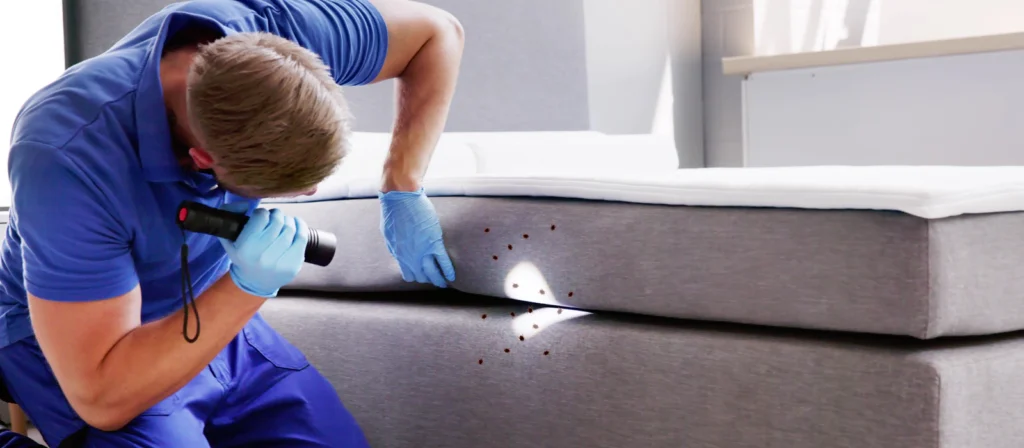


Bed bugs in Melbourne turn up in homes, apartments and hotels, and they have nothing to do with how clean a home is. A busy travel, rental and events scene gives them plenty of ways to move around. The good news is that early detection and professional treatments resolve the issue well. This guide explains the symptoms, how bed bugs spread, the signs to look for, where they hide, and the steps to remove them, so you can act with confidence and get back to a good night’s sleep.
Symptoms of Bed Bugs
Bed bug bites are painless when they happen, and the skin reaction appears later. Everyone responds differently, so look for a combination of these symptoms:
- Small, red, itchy welts that appear after a night’s sleep
- Bites in a line or tight cluster, often three or more together
- Marks on skin that is uncovered during sleep, such as the face, neck, arms and hands
- Mild swelling or a raised, warm patch around each bite
- Itching that settles over several days as the bites heal
- Restless sleep caused by itching
- No visible marks at all for some people, since reactions vary
If itching is strong or spreads, a doctor or pharmacist can recommend soothing options, while a pest professional deals with the source.
How do bed bugs spread in Melbourne?
Bed bugs are expert travellers. They move with people and their belongings rather than on their own, so the spread is tied to everyday activity. Knowing the common routes makes prevention simple, and most of the steps below take just a few minutes.
Travel and accommodation
Hotels, hostels, holiday rentals and short stays are a popular route in Melbourne and everywhere else, since bed bugs can step into suitcases, backpacks and clothing. Melbourne welcomes a steady stream of visitors and business travellers, so luggage crosses paths with many guests. Placing bags on a luggage rack, and checking mattress seams on arrival are easy habits that take only a few minutes. Unpacking straight into the washing machine when you get home is another easy habit that keeps belongings fresh.
Second-hand furniture and mattresses
Pre-loved sofas, mattresses, bed frames and bedside tables are a rewarding find, and they can also carry small hitchhikers in their seams and joints. Inspect each piece in good light, check the folds and crevices, and look under cushions and along timber frame joints before bringing anything indoors. Many people also wipe down hard surfaces and vacuum upholstery as a first step, which gives a clear view of any seams and joins.
Shared laundry facilities
Laundry rooms in apartment blocks and share houses see plenty of foot traffic and bags of clothing. Carrying clean clothes home in a sealed bag and folding them at home keeps things simple. Drying on high heat for around 30 minutes is a reliable step. Using a lidded basket or a sturdy bag to carry laundry adds another layer of protection.
Visitors and shared spaces
Guests, flatmates, offices, cinemas and public transport all bring people and bags together. Bed bugs rarely live on people. They travel in bags, coats and clothing and settle where people rest. Keeping bags off beds and sofas is a friendly, practical habit for everyone. Hosts can also offer a spare hook or bag stand near the door for guests’ coats and bags.
Moving and removals
Packing up your belongings when moving house into boxes and trucks, which can carry a stowaway from one address to the next. Inspect furniture before packing, use sealed plastic tubs for soft items and unpack in a single room first. A quick check by a pest professional before and after a move gives extra reassurance and helps your new home start fresh.
Signs of a Bed Bug Infestation
Bed bugs are small, flat and active at night, so the signs are easier to spot than the bugs themselves, and they show up in a few predictable places. A short, regular check of the bed helps you catch them early.
Bites
Bites usually appear overnight on exposed skin, in lines or clusters. Fresh marks tend to show up each morning if the source is still in the room. If new itchy bites keep appearing after waking, check the bed. A doctor or pharmacist can help with itchy skin, and a pest professional can confirm the cause. Keeping a note of the dates and locations of any bites helps the technician understand the pattern.
Physical Evidence
Look for small rusty or dark spots on sheets and mattress seams. Other clues include pale shed skins, tiny white eggs about the size of a pinhead and live bugs that are flat, oval and reddish-brown. A faint, sweet, musty odour can also appear in a heavily used room, which is often a clue worth noting for the technician. A torch and a stiff card to trace the seams make this check easy. Photographing anything you find lets a technician identify it quickly.
Where Bed Bugs Hide?
Bed bugs like tight, dark spaces close to where people sleep, usually within a couple of metres of the bed. Check these spots:
- Mattress seams, piping and tags
- Box springs and the underside of the bed base
- Bed frame joints, slats and the headboard
- Bedside tables, drawers and lamp bases
- Behind picture frames, wall hangings and skirting boards
- Curtain folds, carpet edges and electrical outlets
- Sofas, recliners and cushion seams
- Luggage, bags and stored clothing
A torch, a stiff card and a few minutes in each spot make a thorough check quite manageable.
How to Get Rid of Them?
A calm, step-by-step approach works best:
- Confirm the cause: Check for the signs above, or ask a pest professional to inspect. A clear identification means the right treatment is chosen the first time.
- Declutter: Clear the floor and bedside areas so every hiding spot is easy to reach and treatment can be thorough.
- Wash and dry on high heat: Wash bedding, curtains and clothing at 60°C where fabric allows, then dry on high for at least 30 minutes.
- Vacuum thoroughly: Vacuum seams, frames, carpet edges and skirting boards, then empty the contents into a sealed bin outside.
- Steam clean: Steam treats mattresses, sofas and items that are hard to wash. Move slowly so the heat reaches every seam and stitch line.
- Encase the mattress: A zipped bed bug cover keeps the seams sealed and easy to inspect. Leave it on for a year so any remaining bugs have no way out or in.
- Book professional treatment: Licensed technicians use targeted treatments that reach every life stage, including eggs, and a follow-up visit confirms the result. A professional plan with a follow-up visit gives the most dependable result.
Conclusion
Bed bugs can visit any Melbourne home, and quick action leads to a quick result. Regular checks, careful travel habits and professional treatment keep your bedroom comfortable and restful for years to come. We at RF Pest Management provide licensed, professional pest control across Melbourne, including bed bug inspections and treatment with eco-friendly products. You can contact us at 0450 213 514 to request a free quote and book your inspection today. A friendly team is ready to help you reclaim your bedroom.