

Summer in Melbourne is a great time for backyard barbecues and outdoor meals. However, wasps can quickly interrupt those plans by gathering around food, drinks and rubbish.
European wasps are a particular concern in Victoria. This introduced species can become aggressive when people disturb its nest and, unlike honeybees, they can sting more than once. But a few simple habits can make your property less attractive to wasps and help you spot a nest early.
1. Keep Food and Drinks Covered
Food is one of the main reasons wasps visit homes during summer. European wasps feed on meat, sweet foods, fruit and other scraps. You may notice them around barbecue plates, picnic tables and outdoor dining areas.
When eating outside, keep food covered until everyone is ready to eat. Clear away plates, leftovers and spills as soon as possible. Avoid leaving soft drinks, juice or other sweet beverages unattended. Wasps can crawl into open cans and bottles, so serve drinks in clear glasses or use a straw.
These steps reduce food sources that attract wasps and help make outdoor meals safer.
2. Secure Your Bins and Compost
Rubbish bins can attract wasps, especially when they contain food scraps, meat packaging or sugary drink containers. Make sure your outdoor bins have tight-fitting lids and close them after every use. Clean up spills around the bin and rinse containers before disposal.
If you compost kitchen waste, keep the compost covered. Avoid leaving food scraps exposed in an open heap. A tidy waste area gives wasps fewer reasons to visit.
3. Remove Fallen Fruit and Pet Food
Ripe and fallen fruit can attract wasps to gardens. Check fruit trees regularly and pick up anything that drops to the ground.
Pet food can also attract European wasps. Avoid leaving your dog’s food bowl outside for long periods, and bring uneaten food indoors. Pick up bones and meat scraps from the yard as well.
4. Reduce Standing Water Around Your Home
Wasps also need water, particularly during hot weather. Leaking taps, uncovered pools and other water sources can attract them.
Repair dripping taps and check outdoor plumbing for leaks. Cover swimming pools when you are not using them, and consider covering ponds or birdbaths where practical. Water the garden in the evening, when wasps are generally less active.
5. Check Your Garden and Outdoor Areas
Maintain your garden to make wasp activity and potential nesting spots easier to notice. Trim overgrown shrubs, remove garden waste and clear unused items that may provide shelter. Check ivy and dense vegetation too.
Check sheds, fences, eaves and the ground near retaining walls, tree bases and garden edges. European wasps often nest underground or in protected spaces around buildings. Fit flyscreens to windows and doors to reduce the chance of wasps entering your home.
Do not seal an opening if you suspect wasps are using it as an active nest entrance. Disturbing the nest can provoke an attack. Keep your distance and arrange a professional inspection.
6. Inspect Your Property for Early Signs of a Nest
European wasp nests grow through summer and usually reach their peak in early autumn. Spotting activity early can help you act before a nest becomes large.
European wasps often build nests in underground holes, retaining walls, tree hollows, roof spaces and wall cavities. Their nests have a grey, papery appearance and can grow to the size of a football or larger. Around 80% of European wasp nests occur in the ground or close to ground level.
Watch for repeated wasp activity around one spot, but do not approach it. A wasp may travel up to half a kilometre from its nest to find food, so the nest may be elsewhere. Keep people and pets away if several wasps follow the same flight path.
7. Avoid Disturbing Wasps or Their Nests
Wasps may sting when threatened or when someone disturbs their nest. If one flies near you, stay calm, avoid sudden movements and move away slowly. Do not swat at it or knock down a nest.
Not every wasp is a pest. Many native Australian species help control garden insects. Paper wasps can sting if threatened, while other species may be harmless. If you cannot identify a wasp, avoid disturbing it and seek advice.
8. Arrange Professional Wasp Nest Removal
DIY sprays and attempts to block nest entrances can make the situation more dangerous. European wasps defend their nests in large numbers, and killing individual wasps does little to solve an established nest problem.
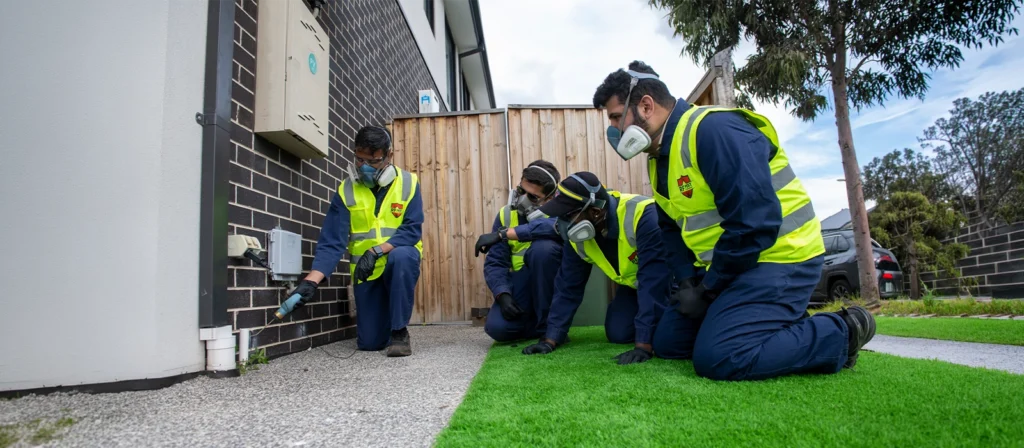
A licensed pest control professional can identify the species, locate the nest and choose an appropriate treatment. They have the equipment and protective clothing to manage the risk. Do not attempt removal yourself, particularly if the nest is underground, inside a wall or near a busy area.
Enjoy a Wasp-Free Summer in Melbourne
Keeping wasps away starts with simple steps such as covering food, securing rubbish bins, removing fallen fruit and reducing water sources. Regularly check your garden and the exterior of your home for signs of nesting activity, but never approach or disturb a suspected nest.
At RF Pest Management, we help Melbourne homeowners manage wasp problems with safe and effective pest control solutions. Our team can inspect your property, identify wasp nests and recommend suitable treatments to keep your home and outdoor spaces safer. Contact us for professional assistance and enjoy Melbourne’s warmer months with greater peace of mind.