

Summer brings longer days, warmer weather and more time outdoors. Unfortunately, it can also bring ants into your home. As temperatures rise, ants become more active and start looking for food, water and shelter. Even a few crumbs on the kitchen bench can attract them.
Ants may look harmless, but a small trail can quickly turn into a larger infestation. Once they find a reliable source of food or water, they can leave scent trails that help other ants follow the same path.
The good news is that you can take simple steps to reduce the chances of an ant problem this summer. Here are some proven ways to keep ants out of your home.
Keep Your Kitchen Clean
Food is one of the biggest reasons ants enter homes. During summer, pay extra attention to areas where food is prepared, eaten or stored.
Wipe kitchen benches after preparing meals and clean up spills as soon as they happen. Do not leave dirty dishes in the sink for long periods. Sweep or vacuum floors regularly, especially around dining areas and kitchen cupboards.
Pay attention to sweet foods too. Sugar, honey, fruit juice and other sugary items can attract ants quickly.
Store food in sealed containers and keep opened packets properly closed. This makes it harder for ants to detect and reach potential food sources.
Remove Easy Sources of Water
Ants do not only enter homes for food. They also need water, especially during hot and dry weather.
Check your home for leaking taps, pipes and appliances. Dry wet areas around sinks and benches and avoid leaving water sitting in containers overnight.
You should also check bathrooms and laundry areas. Small leaks or damp spaces can give ants a reason to stay inside once they find their way in.
Keeping your home dry can make it less attractive to ants during the warmer months.
Seal Cracks and Entry Points
Ants are tiny and can enter through surprisingly small gaps. Cracks around windows, doors, walls and foundations can give them easy access to your home.
Walk around your property and look for possible entry points. Check gaps around pipes, cables, window frames and door frames. Use suitable sealant to close cracks where possible.
Also check doors and windows for damaged seals. Replacing worn weather stripping can help prevent ants and other pests from finding their way inside.
Look After Your Garden
Your garden can have a direct impact on what happens inside your home. Plants, mulch, fallen leaves and garden waste can provide ants with food and shelter.
Keep plants and shrubs trimmed away from walls and windows. Remove piles of leaves, branches and other organic waste from around the house.
Avoid placing excessive mulch directly against external walls. It can create a sheltered environment where ants can establish nests.
Regularly inspect outdoor areas for ant activity. If you notice trails close to your home, deal with the problem early before the ants find a way indoors.
Clean Up After Outdoor Meals
Summer often means barbecues, picnics and meals in outdoor areas. While these are great ways to enjoy the warmer weather, leftover food can quickly attract ants.
Clean outdoor tables and benches after meals. Pick up food scraps and dispose of rubbish properly. Do not leave empty drink cans, food packaging or leftover fruit sitting outside.
If you have a barbecue, clean it regularly and remove food residue. A small amount of grease or food can attract pests.
Deal With Ant Trails Early
If you notice a line of ants moving through your home, do not ignore it. The trail usually means the ants have found something they want.
Clean the area carefully to remove food and other attractants. Wipe the surface where the ants have travelled to help remove their scent trail.
However, killing the visible ants may not solve the underlying problem. Other ants can continue to enter if the nest remains active.
Try to identify where the ants are coming from and where they are going. This can help you understand the extent of the problem and decide whether you need professional help.
Be Careful With DIY Ant Treatments
You can find many ant control products in supermarkets and hardware stores. These products may help with small problems, but they do not always deal with the source of an infestation.
Using the wrong product or applying it incorrectly can also create problems around children, pets and food preparation areas.
If you decide to use a DIY treatment, always follow the product instructions. Do not mix different pest control products and avoid using more than the recommended amount.
For repeated ant activity, professional treatment can provide a more targeted approach.
When to Call a Pest Professional
A few ants do not always mean you have a major infestation. However, you should consider professional help if you keep seeing ants despite cleaning and sealing entry points.
You may also need help if you notice large numbers of ants, multiple trails or ants appearing in different parts of the house.
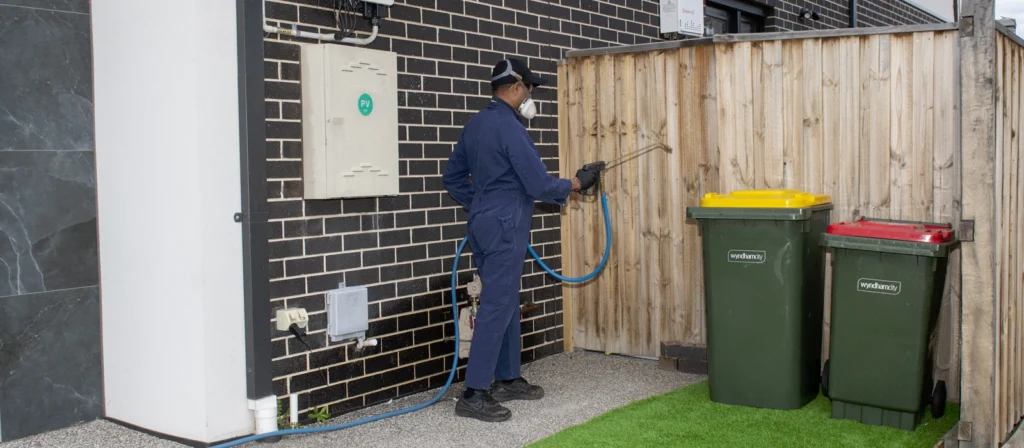
A pest management professional can inspect your property, identify the type of ant involved and look for possible nesting areas. They can then recommend suitable treatment based on the infestation and your property.
Keep Ants Away This Summer
Ant control works best when you prevent ants from finding what they need. Keep food sealed, clean spills quickly, fix leaks and reduce hiding places around your property. Regular checks can also help you spot ant activity before it becomes a bigger issue.
At RF Pest Management, we understand how frustrating recurring ant problems can be. We help homeowners identify the source of the infestation and choose practical pest control solutions for their property. If ants keep returning despite your efforts, our team can help you deal with the problem at its source. With the right prevention and treatment, you can enjoy your summer without constantly dealing with unwanted ant trails around your home.